Federal Automation Framework – Reducing Costs & Modernizing Government

Introduction: Why a Federal Automation Framework Is Essential Now

A federal automation framework is no longer optional—it is essential for agencies facing mounting cost pressures, cybersecurity threats, and rising citizen expectations. As the federal government works to modernize legacy systems and eliminate wasteful spending, innovation must move beyond isolated pilots to structured, measurable transformation. Innovation, especially digital automation, can deliver operational efficiency, cost reductions, and enhance public service outcomes when applied purposefully.

In this blog, we’ll evaluate the cost challenges of current federal systems, explain how solutions like Alpha Omega’s Continuum Automation Framework provide measurable benefits, and demonstrate alignment with major federal innovation priorities and Executive Orders from the Trump Administration. 

The Problem: Federal Systems Are Costly, Outdated, and Inefficient 

Legacy Systems Drain Budgets 

Federal agencies continue to rely heavily on aging information technology systems that are costly to maintain, operate, and secure. According to a Government Accountability Office (GAO) report on IT spending: for FY 2024, approximately $74 billion, nearly 78% of the federal IT budget, was devoted to operations and maintenance of existing systems, versus just $21 billion for development and modernization.  

Security and Operational Risks 

Legacy technology often lacks modern security features, exposing agencies to cyber threats and operational failures. These inefficiencies also contribute to poor customer experience for citizens interacting with government services. 

Billions Wasted on Contracts and Grants 

Beyond core IT systems, federal spending on contracts and grants is so extensive that recent policy efforts like Executive Order 14222, Implementing the President’s “Department of Government Efficiency” Cost Efficiency Initiative, have been issued specifically to curb waste and enforce accountability. EO 14222 directs agencies to review and reduce unnecessary costs tied to federal contracts, grants, and loans, a systemic response to rampant inefficiencies in federal spending.  

The Benefits of Innovation: Beyond Cost Cutting 

Innovation in government delivers value far beyond reduced spending. Some of the major benefits include:

1. Operational Efficiency and Time Savings – Automated workflows and intelligent systems eliminate manual processing, drastically reducing cycle times and human errors.

2. Enhanced Security and ComplianceModernized systems improve defense against cyber threats and provide built-in compliance features that reduce audit risk.

3. Better Citizen ExperiencesFaster, more reliable systems deliver more responsive services to the public, boosting trust and satisfaction.

4. Scalability and Future Readiness Innovative technologies can scale to meet future demands without exponential cost increases. 

Policy Alignment: Trump Administration Executive Orders and Innovation

The Trump Administration’s second term has included a series of Executive Orders that signal a renewed federal priority on efficiency, accountability, and technological leadership. Two major EO initiatives relevant to this blog are: 

Executive Order 14222: Cost Efficiency Initiative 

Signed on February 26, 2025, EO 14222 directs agencies to transform federal spending on contracts, grants, and loans by implementing centralized technology systems to record and justify every payment under covered contracts and grants. It mandates review and possible termination or modification of existing agreements to reduce spending or reallocate for better efficiency.  

This EO explicitly supports the use of modern technology tools to improve oversight and fiscal discipline, a natural fit for automation frameworks that track and optimize processes. 

Executive Order 14179: AI Leadership and Innovation 

EO 14179, “Removing Barriers to American Leadership in Artificial Intelligence”, is designed to strengthen U.S. global competitiveness in AI by rescinding policies that constrain innovation and establishing plans to accelerate responsible AI deployment in government.  

Together, EO 14222 and EO 14179 send a clear signal: the federal government must contain costs while embracing modern technology, including AI and automation, to drive efficiency and strategic advantage. 

Enter Alpha Omega’s Continuum Automation Framework 

So how can federal agencies turn these goals and mandates into operational reality? 

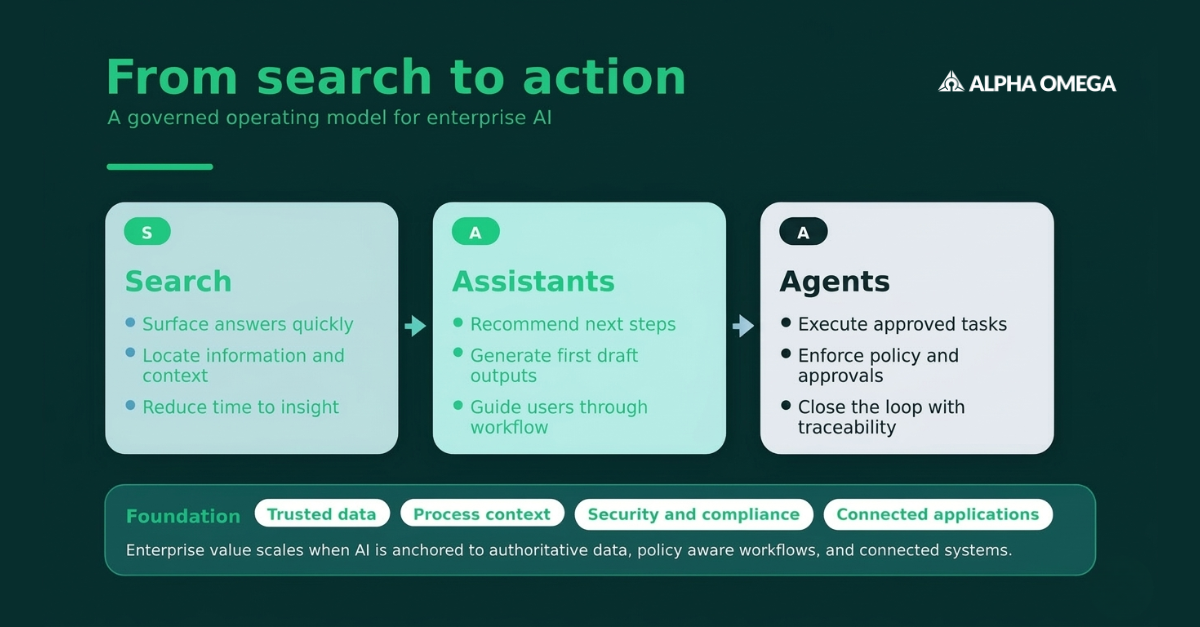
Alpha Omega’s Continuum Automation Framework is a holistic, scalable approach designed to transition agencies from costly legacy systems to efficient, modern, automated operations. 

What is the Continuum Automation Framework?

At its core, Continuum is a modular automation framework built to integrate with legacy infrastructures and modern platforms alike to design, generate, modernize, move data, and prove compliance – delivering total mission automation.

It supports: 

  • Process automation 
  • AI and machine learning integration 
  • Cross-system orchestration 
  • Centralized workflow management 
  • Real-time monitoring and analytics 

This combination makes it possible to deliver rapid ROI while laying the foundation for future innovation. 

Step-by-Step: How Continuum Delivers Efficiency

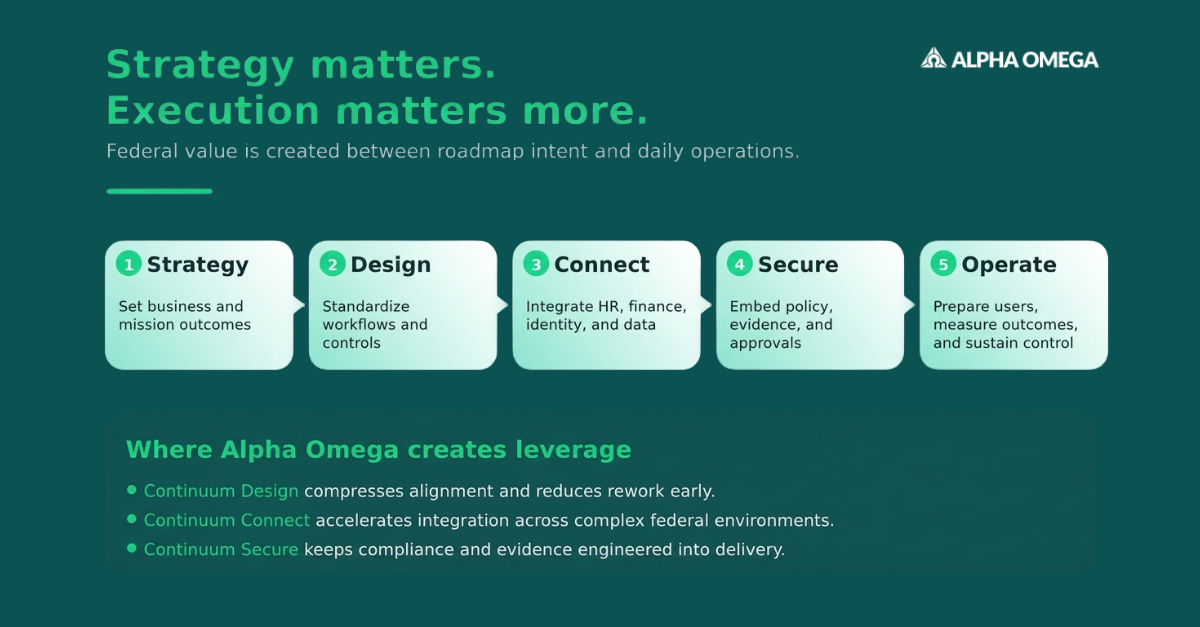
Alpha Omega’s Continuum Automation Framework operationalizes modernization through four integrated accelerators—Design, Code, Connect, and Secure—each engineered to reduce cost, compress timelines, and improve compliance outcomes.

1. Strategic Discovery with Continuum Design

Continuum Design rapidly inventories systems, maps workflows, and identifies automation candidates using structured architectural modeling and AI-assisted requirements analysis. 

Agencies leveraging Continuum Design typically see: 

  • 85% faster development timelines 
  • Standardized architecture artifacts generated in days instead of months 
  • Early identification of redundant or high-cost workflows 

By front-loading intelligence into modernization strategy, agencies eliminate unnecessary scope and align transformation directly with cost-efficiency mandates under EO 14222. 

2. Accelerated Modernization with Continuum Code

Rather than rewriting entire systems from scratch, Continuum Code automates application refactoring, transformation, and generation—modernizing legacy systems incrementally. 

Capabilities include: 

  • Automated code conversion and transformation 
  • AI-assisted development pipelines 
  • Infrastructure-as-Code automation 

Measured results include: 

  • 40–60% reduction in application modernization costs 
  • 75% faster release cycles 
  • Reduced defect rates through automated testing and mathematical validation 

This allows agencies to avoid “big bang” modernization risks while accelerating delivery. 

3. Data Modernization with Continuum Connect

Continuum Connect automates data migration, transformation, and integration across legacy and modern environments. 

Capabilities include: 

  • Canonical data modeling 
  • Secure API enablement 
  • Cross-system orchestration 

Results typically include: 

  • Up to 90% faster data migration timelines 
  • Reduced integration errors 
  • Elimination of redundant manual data reconciliation 

By stabilizing and standardizing data flows, agencies unlock AI capabilities without introducing operational fragility. 

4. Embedded Compliance with Continuum Secure

Security and compliance are often the largest bottlenecks in modernization. Continuum Secure automates evidence collection, control validation, and compliance monitoring across the system lifecycle. 

Agencies utilizing Continuum Secure have achieved: 

  • 90% reduction in manual ATO processes 
  • Automated audit documentation generation 
  • Continuous monitoring dashboards replacing manual reporting 

This directly supports federal mandates for fiscal discipline and oversight while improving security posture. 

5. Scalable Governance and Continuous Optimization

The framework integrates performance dashboards, KPIs, and policy-driven automation to ensure continuous improvement. 

Across enterprise implementations, agencies frequently realize: 

  • Double-digit percentage reductions in operational costs within 12–24 months 
  • Reduced contract overruns through automation-based tracking 
  • Lower long-term maintenance burdens 

This phased, accelerator-driven model ensures modernization delivers measurable efficiency gains while aligning with federal priorities on transparency, accountability, and innovation.

6. Fast Path to Procurement

Modernization speed is often constrained not by technology—but by acquisition timelines. Alpha Omega’s Fast Path to Procurement addresses this challenge directly by providing a streamlined acquisition ecosystem that enables agencies to move from requirement to award with significantly reduced friction. 

Fast Path leverages pre-competed, readily awardable solutions accessible through: 

  • Commercial Solutions Openings (CSOs) 
  • Other Transaction Authorities (OTAs) 
  • SBIR Phase III pathways 
  • Multiple commercial marketplaces 

By aligning with current acquisition policy directives and using existing contracting mechanisms, agencies can accelerate time to award while maintaining compliance, transparency, and fiscal discipline. 

Quantifying the Value: What Agencies Can Expect 

By automating routine tasks and optimizing processes: 

  • Operational costs decrease as manual labor and waste are reduced. 
  • System maintenance burdens shrink as fewer legacy workloads persist. 
  • Fewer contract overruns and wasteful grant spending occur thanks to automated tracking and justification. 
  • Security and compliance posture improve through built-in governance controls. 

While actual savings depend on agency size and scope, automation transformations frequently yield double-digit percentage reductions in operational costs within 12–24 months. 

Real-World Use Cases Compatible with Federal Priorities 

Automating Grant and Contract Management 

  • Centralized contract payment tracking 
  • Automated justification workflows 
  • AI-assisted fraud detection 

These capabilities directly reinforce goals under EO 14222, which calls for more transparent and accountable systems.  

AI-Enabled Document Processing for Citizen Services

  • Reduces backlog 
  • Improves accuracy 
  • Speeds decisions 

This case supports federal innovation goals under EO 14179 by harnessing AI to improve operational outcomes.  

Conclusion: A Federal Automation Framework Is the Path Forward 

A federal automation framework is no longer optional—it is essential for agencies seeking to modernize while controlling costs and strengthening accountability. With the majority of federal IT budgets consumed by maintaining legacy systems, structural efficiency must replace incremental fixes. 

Executive Orders 14222 and 14179 reinforce the mandate: reduce waste, improve oversight, and accelerate responsible AI adoption. Meeting these objectives requires more than policy alignment—it requires scalable execution. 

Alpha Omega’s Continuum Automation Framework, supported by Fast Path to Procurement, enables agencies to move from strategy to measurable impact—reducing operational costs, improving compliance, and accelerating modernization without prolonged acquisition delays. 

Innovation in government is not about chasing technology trends. It is about delivering mission outcomes with greater efficiency, resilience, and fiscal discipline. A structured federal automation framework turns modernization into a strategic advantage—not a recurring expense. 

AI Modernization for Federal Agencies

AI modernization for federal agencies is not the shortcut we hoped for.

Across the federal enterprise, agencies are racing to adopt artificial intelligence to automate decisions, accelerate analysis, and improve operational tempo. Yet many AI initiatives stall, underperform, or fail to operationalize.

The reason isn’t the algorithms.

It’s the legacy systems underneath them.

AI modernization for federal agencies cannot succeed when intelligence is layered onto brittle architectures, siloed data, and manual workflows. In national security and mission-critical environments—where reliability, auditability, and resilience are non-negotiable—modernization must come before intelligence. More precisely, AI must be paired with a deliberate architectural transformation that prepares systems to support intelligence at scale.

I call this transformation a legacy lift.

What is AI modernization for federal agencies?

AI modernization for federal agencies is the process of integrating artificial intelligence into mission systems by first modernizing data, architecture, security, and workflows—ensuring AI operates securely, compliantly, and at operational scale.

Why AI Modernization fails without legacy system modernization.

Most government mission systems were never designed to support AI.
They were built to:

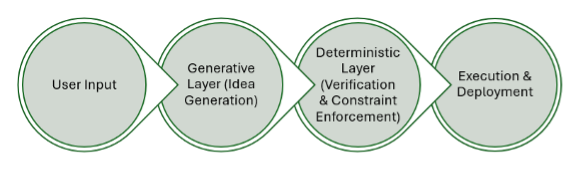
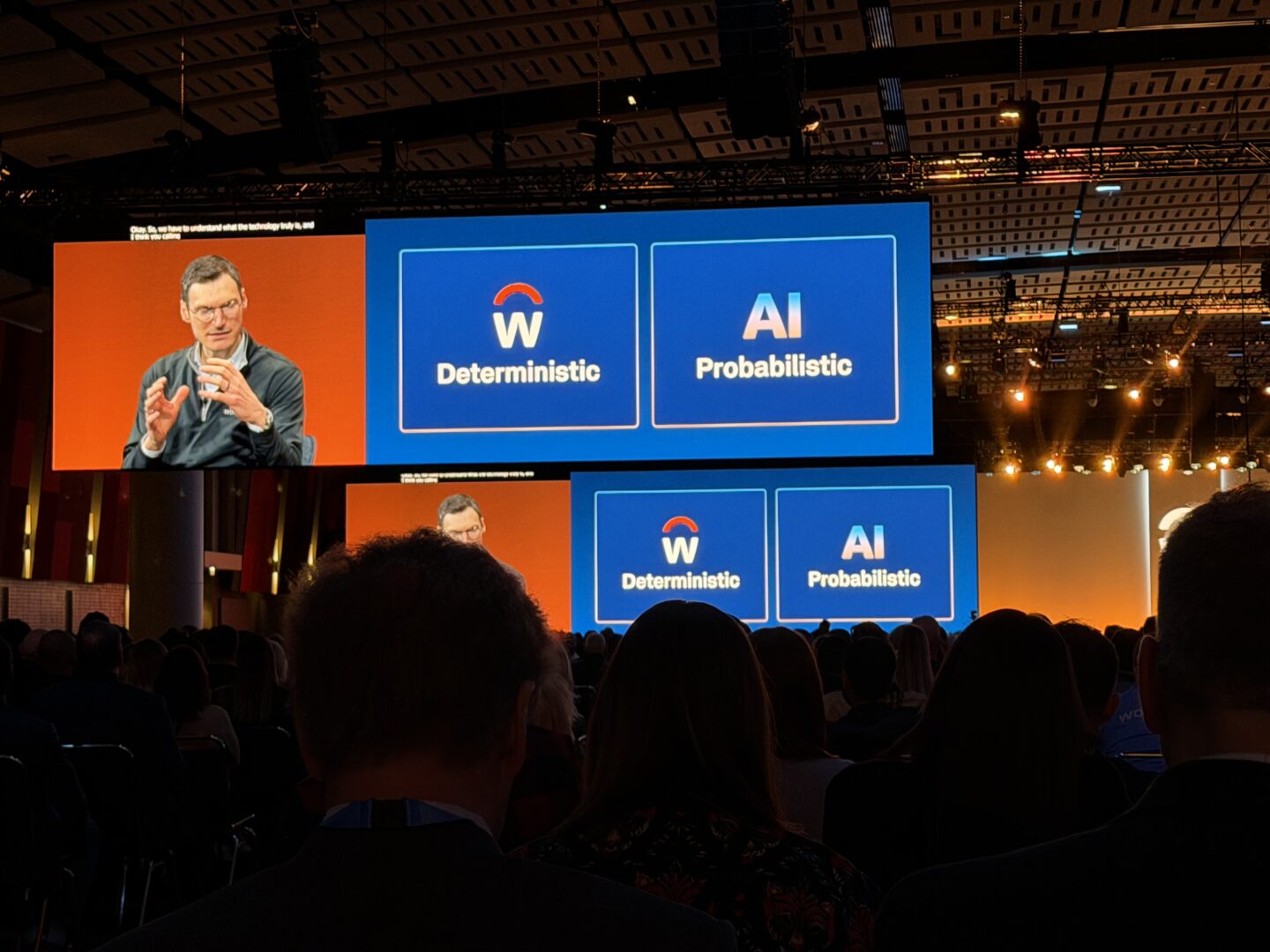
  • Execute deterministic, rules-based workflows 
  • Store data in rigid schemas 
  • Prioritize stability over adaptability 

AI-driven systems demand the opposite: 

  • Continuous, near–real-time data ingestion 
  • Flexible integration patterns 
  • Observability and feedback loops 
  • Human-in-the-loop accountability 

When agencies attempt to “bolt on” AI to legacy platforms, they encounter predictable failure modes: 

  • Inconsistent or incomplete data pipelines 
  • Latency that undermines real-time decision support 
  • Security gaps introduced by shadow integrations 
  • Compliance challenges driven by opaque model behavior 

Rather than compensating for weaknesses, AI amplifies them. Without foundational modernization, intelligence becomes fragile, unscalable, and difficult to trust. 

What is a Legacy Lift?

legacy lift is a targeted modernization approach that prepares federal mission systems for AI by improving data readiness, modularity, security, and human oversight—without requiring a full system rewrite or multi-year pause on delivery. 

The goal is to decouple, stabilize, and standardize just enough of the underlying architecture to enable intelligence-driven outcomes safely and sustainably. 

A successful legacy lift focuses on four foundational layers. 

Layer 1: Data readiness before intelligence 

AI is only as effective as the data it consumes. Yet many mission systems still rely on: 

  • Batch updates instead of real-time feeds 
  • Hard-coded, brittle integrations 
  • Inconsistent data definitions across systems 

A legacy lift prioritizes: 

  • Canonical data models 
  • Secure, API-driven data access 
  • Data lineage and provenance tracking 
  • Clear ownership and stewardship 

Without these foundations, AI outputs cannot be trusted—especially in environments that require auditability, oversight, and defensibility.  

Layer 2: Modular architecture that can evolve 

Monolithic systems resist change. AI requires experimentation.
Modernized mission systems should: 

  • Expose functionality through services and APIs 
  • Separate data, logic, and presentation layers 
  • Allow AI components to be swapped, tuned, or retired without disrupting operations 

This modularity enables agencies to test and deploy AI responsibly—introducing intelligence incrementally without destabilizing mission-critical workflows. 

Layer 3: Built-in security and compliance 

In national security contexts, AI must operate within: 

  • Zero Trust principles 
  • Continuous monitoring requirements 
  • RMF, FISMA, and emerging AI governance mandates 

A legacy lift integrates security and compliance into the architecture itself, not as after-the-fact controls. This includes: 

  • Identity-aware data access 
  • Policy-driven authorization 
  • Automated evidence generation for audits 

AI systems that cannot explain their behavior or prove compliance will not scale—regardless of their technical sophistication. 

Layer 4: Human-centered AI integration 

AI should accelerate human decision-making, not replace it.
Modernized systems must support: 

  • Explainable outputs 
  • Clear confidence indicators 
  • Human override and escalation paths 

In operational environments where decisions carry real-world consequences, trust is built when operators understand not just what the system recommends—but why.  

How long does an ATO take without modernization?

In many federal environments, obtaining an Authorization to Operate (ATO) can take six to eighteen months. These prolonged timelines delay innovation, increase system risk, and discourage iterative improvement. 

Legacy lifts that embed security, automation, and continuous monitoring early in the lifecycle enable agencies to dramatically shorten approval cycles—moving from point-in-time authorization toward continuous authorization models that support faster delivery without compromising compliance. 

How can Agencies reduce risk when modernizing for AI?

Agencies can reduce risk when modernizing for AI by modernizing data foundations first, embedding security and compliance into system architecture, and introducing AI incrementally with human oversight and continuous monitoring.


What Agencies can do in the next 90 days.

Modernization does not require a blank slate. The most effective transformations start small and deliver momentum quickly.

In the next 90 days, agencies can: 

1. Identify a rapid contractual pathway and funding source to pilot AI-enabled modernization
2.
Select one mission workflow where AI could deliver value if foundational constraints were addressed
3. Define a fixed-price procurement approach for scaling successful pilots
4. Targeting 50–70% cost reductions compared to traditional modernization efforts
5. Measure success by operational outcomes—not scope or capacity 

This approach reduces risk while creating a clear path from experimentation to production. 

If we do nothing:

Without a legacy lift, agencies will continue to: 

  • Spend heavily on AI pilots that never operationalize 
  • Accumulate technical debt while chasing innovation 
  • Introduce security and compliance risk unintentionally 
  • Fall behind adversaries modernizing holistically 

AI is not a silver bullet. But when paired with deliberate modernization, it becomes a force multiplier. 

The Bottom Line

Mission modernization is no longer about replacing old systems—it’s about preparing them to think.

AI modernization for federal agencies succeeds only when legacy systems are ready to support intelligence. A legacy lift provides the path forward, enabling agencies to evolve mission systems without breaking trust, compliance, or continuity.

Greener Tomorrow by Efficiency Today: Our partnership USDA Forest Service

Greener Tomorrow by Efficiency Today: Our partnership USDA Forest Service

As the world celebrates Earth Day, the call to action for environmental stewardship resonates louder than ever. At Alpha Omega, we understand the urgent need for collective efforts to address climate change and preserve our precious ecosystems. Our partnership with the United States Department of Agriculture (USDA), particularly with the Forest Service (FS), stands as a testament to our commitment to these vital causes.

Since 2019, Alpha Omega has been proud to support the Forest Service in various capacities, aligning our work with their environmental mission. From facilitating emergency responses to advancing research and development initiatives, our collaboration with FS underscores the importance of integrating climate science into practical, on-the-ground solutions.

Emergency Response

Emergency response lies at the forefront of our contributions. As forest fires escalate in frequency and intensity, our support of critical systems like iNAP, OIS, and FAMAuth becomes increasingly indispensable. By ensuring that firefighters and emergency responders have access to essential applications, we play a pivotal role in safeguarding lives and landscapes during fire emergencies nationwide.

Moreover, research and development form the cornerstone of FS’s stewardship efforts. Through our work on the Research Information Tracking Systems (RITS), we empower FS scientists and environmentalists to access, search, and track mission-critical information vital for informed decision-making and effective land management strategies.

Public Outreach

In addition to emergency response and research, our involvement extends to public outreach—a vital component of FS’s environmental mission. Through our delivery of the public-facing websites for FS’s Chief Information Officer and various national forests and regions, we enable FS to engage with the public, provide access to recreational opportunities, and raise awareness about environmental initiatives. This support not only fosters public support for the agency but also amplifies awareness of FS’s crucial role in environmental conservation.

As we commemorate Earth Day, let us recognize the interconnectedness of environmental stewardship, climate science, and public lands management. Alpha Omega remains steadfast in our commitment to a greener tomorrow by efficiency today, driving positive change, both through our collaboration with the USDA’s Forest Service and our ongoing efforts to champion sustainability and conservation. Together, let us embrace the spirit of Earth Day every day, working hand in hand to protect and preserve our planet for generations to come.

Prioritize Infrastructure Modernization Now

Prioritize Infrastructure Modernization Now

Digital modernization is considered a critical priority in today’s government IT systems. While progress is being made, there are still challenges that are being faced by the government to overcome this obstacle. According to a recent report by McKinsey, the US government will put more priority on digital modernization in five years’ time.

The federal government spends more than $100 billion on IT and cyber-related investments. Most of this budget, however, is spent on maintaining existing IT investments, including legacy infrastructure. Many government agencies still rely on outdated legacy systems or infrastructure.

In June 2019, the US Government Accountability Office reported that 7 out of the 10 agencies responsible for these legacy systems had plans for modernizing the systems. Of the 7, only the Departments of the Interior’s and Defense modernization plans included all the essential elements identified in best practices. The other five agencies — the Department of Homeland Security, Department of Treasury, the Office of Personnel Management, Small Business Administration, and Social Security Administration — do not have complete modernization plans.

The high cost of maintaining legacy systems

Government agencies face multiple obstacles to modernization since most still rely heavily on legacy systems, which cause a sizeable number of problems:

  • Inability to compete – The inability of legacy systems to adapt to changes and new technologies in the age of cloud services, virtualization, and software-defined everything means it cannot meet the new demands for faster responses and solutions. It hampers the overall mission of an agency.
  • High maintenance costs – Maintaining a legacy system is often more expensive than buying a new system. Legacy systems do not support new applications; therefore, modifications are needed to suit new requirements which can add additional costs.
  • Data trapped in silos – A data silo is a collection of data that is held by one group and is not easily accessible to other groups even if they are in the same agency. Data silos inhibit collaborative work between departments since they create a barrier to information sharing, which can have dire consequences in high-stakes situations.
  • Compromised security against newer threats – Legacy systems often do not support the latest security updates. This puts any sensitive information at risk since it will make the agency vulnerable to ever-evolving cyber threats. Decreased security is most often the biggest reason why a software upgrade is needed. A data breach or hacking can pose serious threats to agencies.

Cyber threats are a real and present danger

Cyber threats have evolved into many forms from ransomware that locks up a system until a ransom is paid, to data exfiltration malware that targets sensitive information.

Back in 2015, The Defense Contract Management Agency, which manages outside contracts for the Department of Defense, investigated a possible cyber-attack. Suspicious activities were detected on January 28, 2015, and subsequent investigation revealed that the attack attempted to gain insight into specific contracts within the Department of Defense. This type of hack happened again in 2021 when a group of sophisticated Chinese government hackers was able to compromise dozens of U.S government agencies.

Infrastructure modernization should be Priority No. 1

Government agencies should prioritize modernizing their IT infrastructure to counter the ever-evolving landscape of cyber threats.

Upgrading their IT infrastructure not only provides a strong security solution, but also increases agility, productivity, and operational efficiency. Government agencies should also keep in mind that modernization will enable them to provide better services to citizens.

These are the benefits government agencies will get when they embrace IT modernization:

  • Cost savings free up the budget for other resources — Lower costs of IT maintenance means additional budget that can be used for other resources.
  • Increased agility and collaboration — Communication and collaboration is improved since information can be securely shared across the entire agency.
  • Leverage commercially available technology – It will be easier for government agencies to utilize off-the-shelf software and services that can help process routine low-risk activities, freeing up workers to focus on more strategic and value-adding tasks. This tech also decreases the chances of fraud and waste and provides better cybersecurity.
  • Improved roles of government CIOs – As demand on their systems increases, the responsibilities of government tech leaders also increase. Government CIOs should be able to help other agency chiefs to decide, develop, and execute strategies to make better modernization choices for key applications.
  • Improved efficiency and user experience — A modern IT infrastructure is designed for ease of use, which translates to a better employee experience. Eliminating unnecessary manual processes and paperwork also saves time and minimizes errors.

A solid implementation strategy combined with support from trusted service providers is crucial to any IT modernization initiative. While modernization does not happen overnight, it is important that government CIOs and IT heads recognize both the need and urgency. When agencies are equipped with the best tools to do their job, every citizen will benefit.